

The Safe and Sound Protocol (SSP) is a research-informed listening therapy that supports nervous system regulation, emotional balance, and social connection. Using specially filtered music and over-the-ear headphones, SSP helps the body shift out of survival mode and into a greater sense of safety.
Safe and Sound Protocol
(SSP) Therapy
Grounded in research and informed by Polyvagal Theory.
Evidence
Based
Clients with anxiety that reported improvement post-SSP*
85%
*Results vary. SSP is not a guarantee of outcomes.Clients with depression that reported improvement post-SSP*
81%
*Results vary. SSP is not a guarantee of outcomes.Safe for
All Ages
SSP has helped over 100,000 children, adolescents and adults in more than 70 countries worldwide.
Are You Feeling Stuck in Survival Mode?
Your nervous system may be dysregulated.


Do you ever feel…
Challenges connecting with others, loneliness, or anxiety
Trouble concentrating, mental clarity, or creativity
Difficulty falling or staying asleep (or sleeping too much)
Digestive challenges, eating, or swallowing issues
Rapid or shallow breathing, heart rate or blood pressure changes

Imagine if you could feel…
Better able to respond to stress instead of getting stuck
More emotional regulation and ease moving through challenges
More connection and deeper, more comfortable relationships

What is the Safe and Sound Protocol?
The Safe and Sound Protocol (SSP) is a therapeutic listening intervention rooted in Polyvagal Theory, which focuses on how the autonomic nervous system responds to cues of safety and threat.
Humans are biologically wired for connection. We naturally look for safety through tone of voice, facial expressions, and body language. When someone has experienced trauma, chronic stress, illness, sensory differences, or developmental challenges, the nervous system may have difficulty recognizing these cues. Over time, this can leave the body stuck in a state of defense or shutdown.
SSP works by delivering “cues of safety” through music filtered with a research-backed algorithm to emphasize frequencies similar to those of the human voice. These cues help the nervous system regulate more effectively, supporting calm, engagement, and resilience.
How SSP Works in the Body
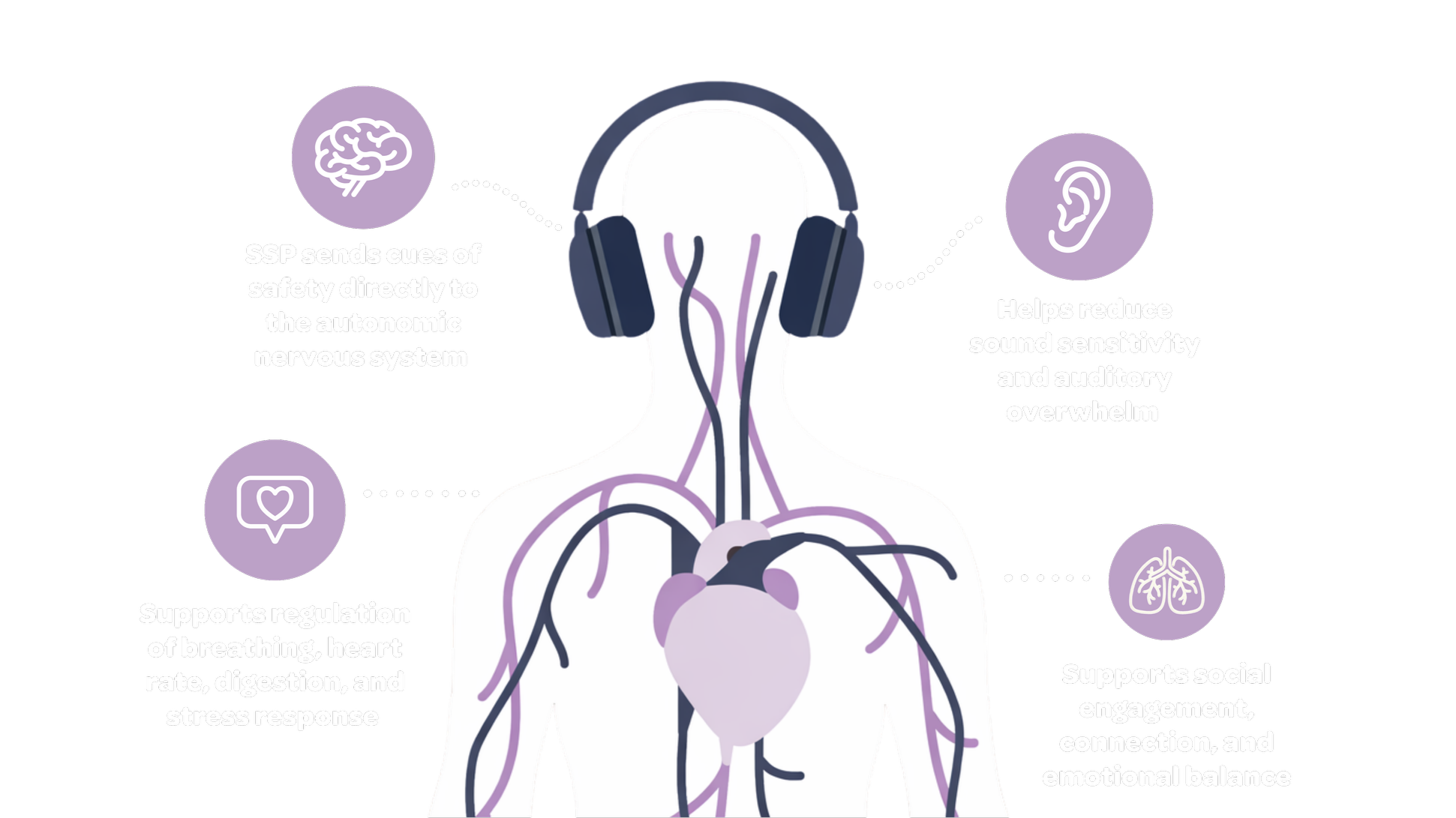
SSP works by supporting the nervous system systems involved in safety, stress, and connection.

Filtered Music. Long-Lasting Impact.
The SSP consists of listening filtered music, completed gradually and at a pace guided by your provider. Sessions are intentionally spaced to allow your nervous system time to integrate and respond.
Benefits may include:
Feeling calmer and more regulated
Improved ability to handle stress
Increased emotional awareness and resilience
More comfortable social engagement
SSP may be helpful for individuals experiencing:

Anxiety, stress, or emotional overwhelm

Trauma or chronic stress patterns

Autism, ADHD, or sensory processing differences
Sound sensitivity or auditory challenges

Difficulty with regulation or sleep
SSP is often used alongside other therapies and supports the nervous system so additional therapeutic work can be more effective.
Active psychosis
Recent psychiatric hospitalization
Active or uncontrolled seizures
Active self-harm or suicidal ideation
Certain ear conditions (perforated eardrum, recent ear surgery, severe tinnitus)
Some individuals may experience temporary responses as the nervous system adjusts, such as increased sound sensitivity, fatigue, emotional shifts, headache, or mild physical discomfort. These temporary responses are considered a sign of the nervous system processing and adjusting, not a failure of the therapy. You may pause or stop listening at any time.
SSP is delivered with provider guidance and individualized pacing to support safety.
SSP is NOT recommended for individuals with:

Initial Safe and Sound Protocol Package — $280
Includes:
Free 30-minute consultation
Initial 60-minute SSP session
Personalized listening plan and app setup
Three additional provider-guided sessions
Ongoing support as needed
Additional sessions may be recommended based on individual needs.
SSP services are typically not covered by insurance and are offered as a self-pay service. Please contact us with specific questions.
Your Questions, Answered.
-
Yes. SSP is safe for many people when guided by a certified provider. You may pause or stop listening at any time. Ongoing communication with your provider is encouraged throughout the process.
-
SSP music is filtered using a patented algorithm that highlights sound frequencies similar to the human voice. These frequencies help the nervous system recognize safety, which is different from relaxation or background music.
-
The protocol includes approximately five hours of listening for each pathway, completed gradually. Sessions are intentionally spaced to allow the nervous system time to integrate and respond.
-
Listening sessions are typically 15–30 minutes at a time, depending on individual tolerance and nervous system responses. Your provider will guide pacing and frequency.
-
Yes. For the SSP Core program, listening must be completed in order unless your provider recommends otherwise. Skipping ahead or repeating sections without guidance is not recommended.
-
SSP includes three pathways (5 hours each):
SSP Connect: An introductory program using unfiltered music
SSP Core: The primary therapeutic program with progressively filtered music
SSP Balance: A lighter program designed to support ongoing regulation
-
SSP is often used with children on the autism spectrum to support nervous system regulation, sensory processing, and social engagement. It is not a replacement for other therapies but may help children engage more comfortably in them.
-
Experiences vary. Some people notice shifts during sessions, while others notice changes over time. Positive effects typically include reduced anxiety, better emotional regulation, improved sleep, increased calmness, and enhanced social engagement.
Temporary responses may include fatigue, emotional shifts, increased sound sensitivity, headache, or gastrointestinal discomfort. Work with your trained provider to manage these symptoms, as they are typically temporary. These reactions are considered a sign of the nervous system processing and adjusting, not a failure of the therapy.
-
SSP is not recommended for individuals with:
Active psychosis
Recent psychiatric hospitalization
Active or uncontrolled seizures
Active self-harm or suicidal ideation
Certain ear conditions (perforated eardrum, recent ear surgery, severe tinnitus)
SSP should be used with caution for individuals with severe sound sensitivity, misophonia, hyperacusis, bipolar disorder, dissociative disorders, or neurological or autoimmune conditions. Your provider will review your history before beginning.
-
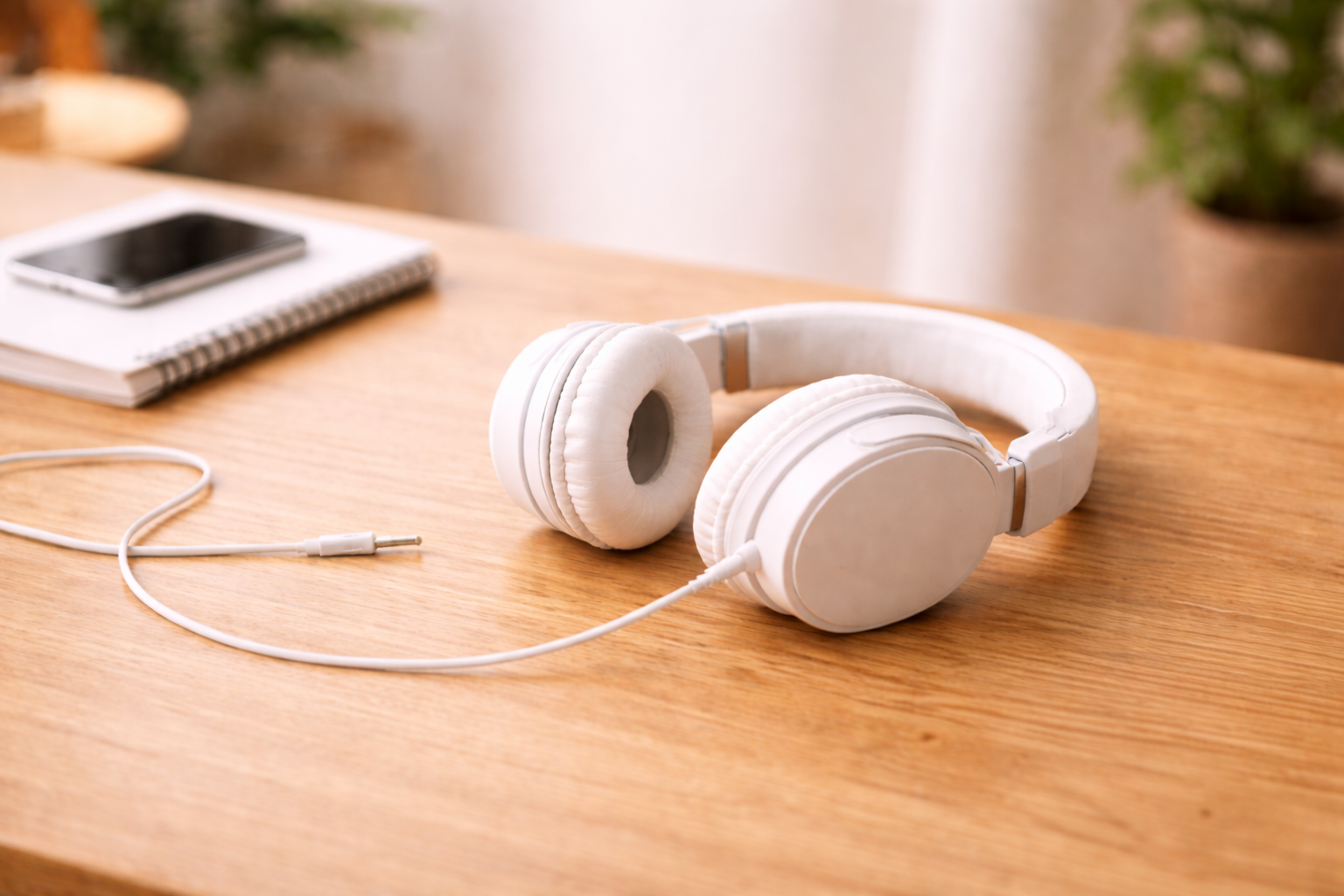
SSP requires over-ear headphones. Earbuds, on-ear headphones, and noise-canceling headphones are not recommended, as they interfere with the sound frequencies used in the protocol.
-
Yes. SSP may be completed in-office, remotely from home, or through a hybrid approach, depending on your needs and your provider’s recommendations.

Curious if Safe and Sound Protocol (SSP) is a good fit for you or your child? Get in touch.